
- Home
- Horse Fencing Systems
Horse Fencing Systems
Horse Fencing Systems Australia | Electric Horse Fence Systems | StockGuard
Horse Fencing Systems

Horse fencing systems bring together the right fencing materials, layout, energiser, posts, insulators, gates and accessories to create a safer and easier-to-manage horse property. Rather than treating each fence line as a separate job, a complete horse fencing system is designed around how horses move, graze, rest and interact across the whole property.
StockGuard supplies horse fencing systems for Australian horse owners, acreage properties, farms, agistment centres, breeding properties, riding schools and equestrian facilities. Our products are designed to help create highly visible electric horse fencing that horses can clearly identify and learn to respect.
A good horse fence system should improve safety, reduce fence damage, support paddock management and make future property expansion easier. Whether you are fencing one paddock or planning a complete equine property, choosing a system-based approach gives you a better long-term result.
What Is a Horse Fencing System?
A horse fencing system is the complete combination of fencing components and layout used to contain and manage horses. It may include horse fence tape, electric fence posts, permanent posts, insulators, connectors, strainers, reels, gates, energisers, earthing systems and accessories.
The system also includes the design of the property itself. Paddock size, gate location, laneway placement, water access, arena fencing and rotational grazing areas all influence how effective the final fence will be.
For horses, a fencing system needs to be more than strong. It needs to be visible, predictable and designed around horse behaviour.
Why a System Matters
Many fencing problems occur because components are chosen separately without considering how they work together. A tape may be suitable, but the energiser may be undersized. A paddock may be secure, but the gate may be poorly located. A fence line may be strong, but the horses may not see it clearly enough.
A complete horse fencing system helps avoid these problems by considering the whole property from the start.
Benefits of a system-based approach include:
- Better horse safety.
- Improved fence visibility.
- More reliable electric fence performance.
- Fewer compatibility issues between components.
- Reduced long-term maintenance.
- More flexible paddock and grazing management.
- A cleaner and more professional property appearance.
- Easier expansion when more paddocks are needed.
Core Components of Horse Fencing Systems
Horse Fence Tape
Horse fence tape is one of the most important parts of a visible electric horse fencing system. Its wider profile makes it easier for horses to see than thin wire, helping them recognise the boundary before they reach it.
Fence tape is commonly used for paddocks, temporary grazing areas, laneways, arenas and internal property divisions.
Fence Posts
Posts provide the structure of the fencing system. The right post type depends on whether the fence is permanent, temporary or semi-permanent. Post spacing, corner support and gate locations all affect the stability and performance of the fence.
Insulators and Connectors
Insulators hold electric tape away from posts and help maintain current through the fence line. Connectors and joiners help maintain consistent conductivity across tape joins, corners and gateways.
Energisers
The energiser powers the electric horse fencing system. The correct energiser depends on total fence length, property layout, vegetation pressure and whether mains, battery or solar power is preferred.
Earthing
Earthing is essential for electric fence performance. Poor earthing can make even a good energiser perform badly. A well-designed earthing system helps the electric fence deliver a clear and consistent signal.
Gates and Access Points
Gate placement affects everyday property use. Gates should allow safe horse movement, convenient feeding, machinery access and easy connection between paddocks, laneways and working areas.
Electric Horse Fencing Systems
Electric horse fencing systems are popular because they work with horse behaviour. Instead of relying only on the physical strength of the fence, electric fencing creates a psychological boundary. Once horses understand the fence, they are less likely to lean on it, push through it or damage it.
This makes electric fencing useful for permanent paddocks, internal divisions, temporary grazing cells, spelling paddocks and laneways. It also helps reduce pressure on external boundary fencing.
Permanent and Temporary Horse Fence Systems
Most horse properties benefit from a combination of permanent and temporary fencing. Permanent fencing is commonly used for boundaries, main paddocks, arenas and long-term property structure. Temporary fencing is useful for rotational grazing, pasture recovery, short-term spelling areas and seasonal changes.
A flexible horse fencing system allows the permanent layout to stay stable while internal paddocks can be adjusted as needed.
Horse Fencing Systems for Paddocks
Paddocks are the foundation of most horse properties. A paddock fencing system needs to provide clear boundaries, safe containment and practical day-to-day access.
Electric horse fence tape is often used for paddock fencing because it provides both visibility and an effective boundary. Multiple paddocks can also support rotational grazing, horse separation and pasture management.
Horse Fencing Systems for Whole Properties
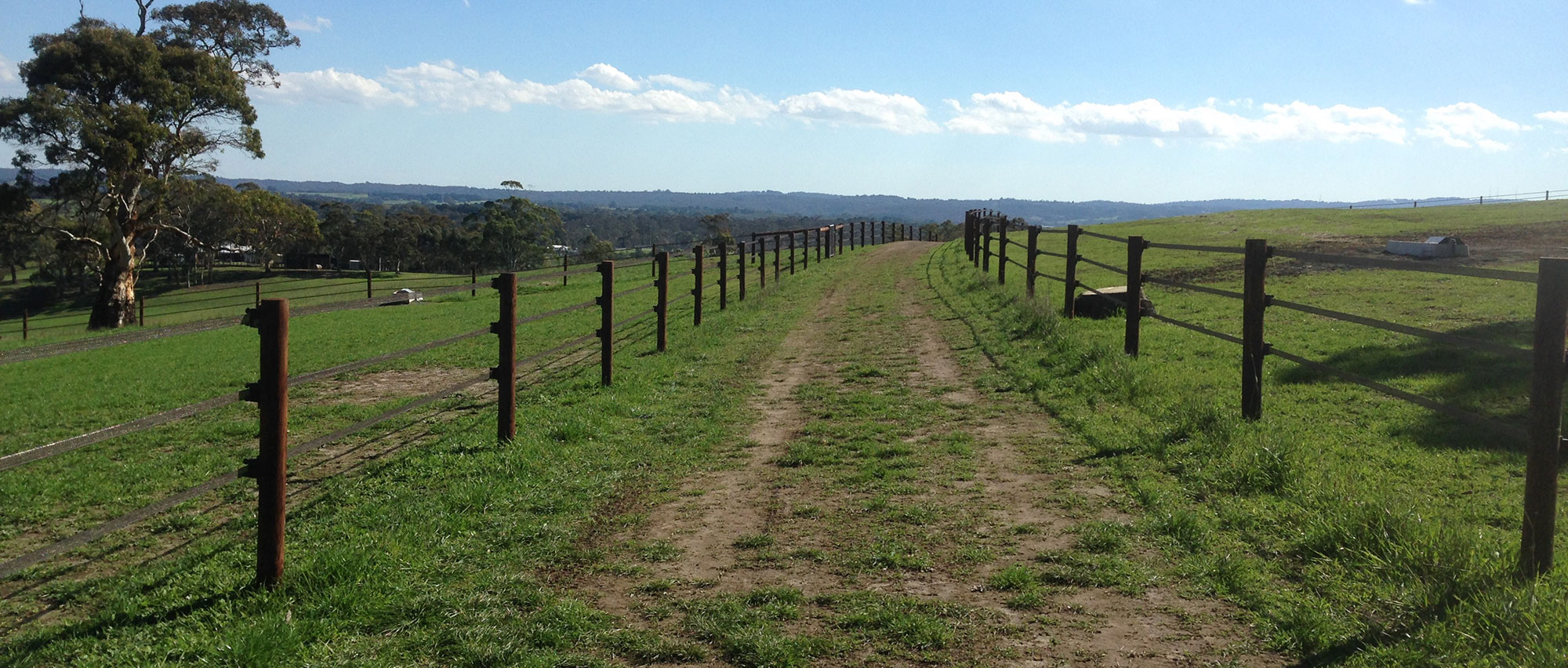
Whole-property horse fencing systems include boundary fencing, internal paddocks, laneways, arenas, working areas and gateways. Planning the entire property makes it easier to move horses safely and manage daily routines.
A complete horse property layout may include a central laneway, multiple paddocks, dedicated feeding areas, arena access, water points and room for future expansion.
Horse Fencing Systems for Agistment Centres
Agistment centres need fencing systems that can adapt to changing horse numbers, different temperaments and regular daily use. Clear visible fencing helps horses settle into new paddocks and makes property management more efficient.
Electric fencing also allows managers to rest paddocks, divide grazing areas and create temporary separation spaces when needed.
Horse Fencing Systems for Breeding Properties
Breeding properties often require separate areas for mares, foals and stallions. Young horses are still learning boundaries, so visibility and safe layout are especially important.
A system-based fencing plan helps breeding properties manage separation, movement, supervision and pasture access with greater confidence.
Horse Fencing Systems for Arenas and Laneways
Arenas and laneways benefit from fencing that provides clear visual boundaries and a professional appearance. Arena fencing helps define the riding or training space, while laneways make horse movement safer and more controlled.
Using compatible fencing materials across paddocks, laneways and arenas creates a consistent system that is easier to maintain.
How to Choose the Right Horse Fencing System
Choosing the right horse fencing system starts with the property layout and the needs of the horses being contained. A small acreage property may require a simple system with two or three paddocks, while a large equestrian facility may need multiple zones, laneways and specialist working areas.
Important questions include:
- How many horses will use the property?
- Will paddocks need to be changed seasonally?
- Is the fence permanent, temporary or both?
- How visible does the fence need to be?
- What total fence length needs to be powered?
- Is mains, battery or solar power most practical?
- Where should gates and laneways be placed?
- Will machinery need access?
- How will pasture be rested and managed?
- Will the property expand in the future?
Common Horse Fencing System Mistakes
- Choosing individual products without planning the complete system.
- Using fencing that is not visible enough for horses.
- Selecting an energiser that is too small for the fence length.
- Poor earthing of the electric fence.
- Installing gates in inconvenient or unsafe locations.
- Using incompatible insulators, tape or connectors.
- Allowing vegetation to reduce electric fence performance.
- Failing to allow for future paddocks or laneways.
- Using general livestock fencing where horse-specific fencing is needed.
Why Choose StockGuard Horse Fencing Systems?
StockGuard supplies horse fencing products designed for Australian horse owners who need safe, visible and practical fencing systems. Our products can be used for paddocks, laneways, arenas, agistment properties, breeding farms and complete horse property layouts.
Whether you are replacing an old fence, adding new paddocks or designing a complete equine property, StockGuard can help you choose horse fencing components that work together as a reliable system.
Frequently Asked Questions
What is a horse fencing system?
A horse fencing system is the complete combination of fencing materials, layout, energiser, posts, insulators, gates and accessories used to safely contain and manage horses.
What is the best horse fencing system?
The best horse fencing system is highly visible, properly powered, suitable for the property layout and designed around the behaviour of the horses being contained.
Are electric horse fencing systems safe?
Electric horse fencing systems can be safe and effective when installed correctly using suitable horse fence tape, posts, insulators, earthing and energiser selection.
Can horse fencing systems be used for temporary paddocks?
Yes. Electric horse fencing systems are commonly used for temporary paddocks, rotational grazing, spelling areas and seasonal property management.
What components are needed for a horse fencing system?
A horse fencing system may include horse fence tape, posts, insulators, connectors, gates, an energiser, earthing equipment and accessories depending on the property layout.
Does StockGuard supply complete horse fencing systems?
Yes. StockGuard supplies horse fencing products suitable for complete horse fencing systems across Australian horse properties, paddocks, laneways and arenas.