
- Home
- Horse Property Fencing
Horse Property Fencing
Horse Property Fencing Australia | Safe Fencing for Horse Properties | StockGuard
Horse Property Fencing
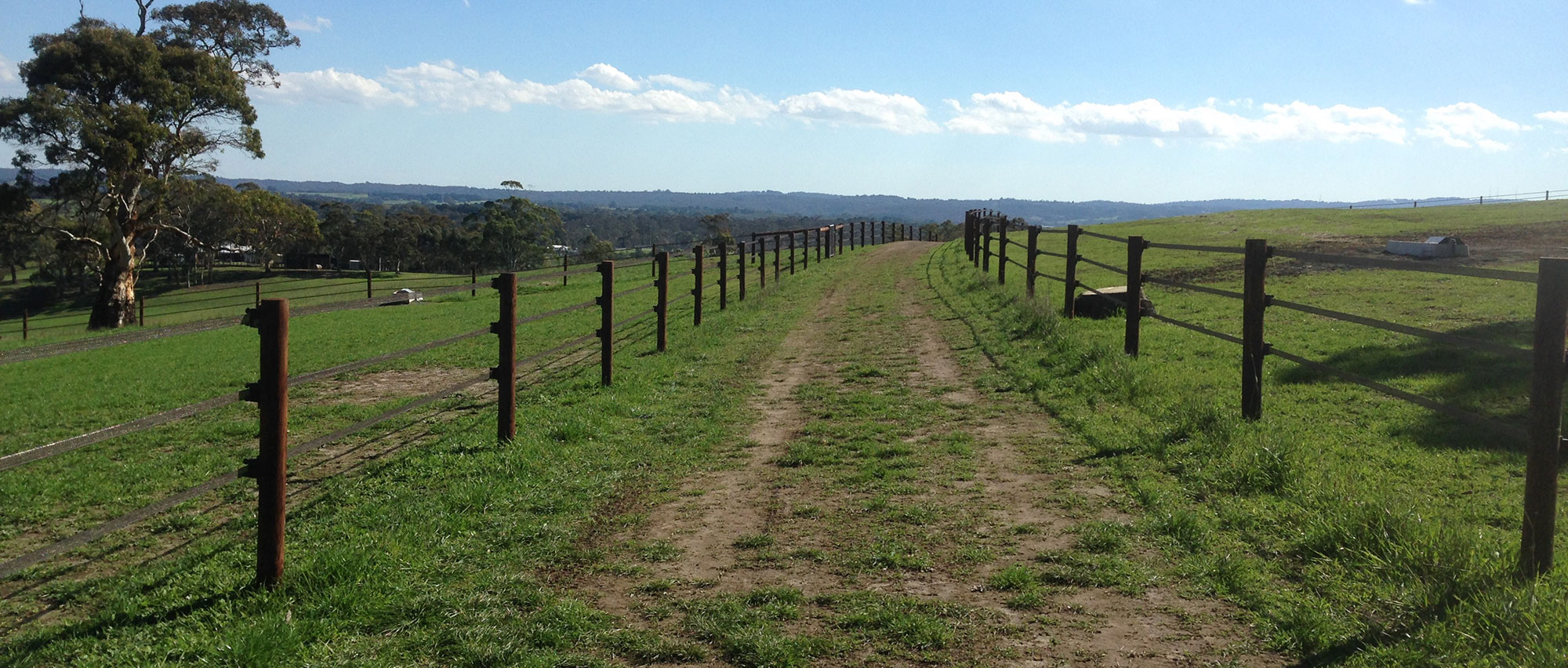
Designing a successful horse property starts with a well-planned fencing system. Horse property fencing is much more than simply installing a perimeter fence. It is about creating a safe, practical and efficient environment that supports the health and wellbeing of your horses while making daily management easier.
Whether you own a small lifestyle block with two horses, manage an agistment property, operate a breeding stud or run an equestrian centre, the layout of your fencing has a direct impact on safety, labour requirements and the long-term value of your property.
At StockGuard, we supply horse property fencing solutions designed specifically for Australian conditions. Our range of electric horse fencing products, horse fence tape, posts and accessories helps property owners create fencing systems that are highly visible, reliable and adaptable as their property grows.
What Is Horse Property Fencing?
Horse property fencing refers to the complete fencing system used across a horse property rather than a single paddock or enclosure. It includes perimeter fencing, internal paddocks, laneways, yards, arenas, spelling paddocks, gateways and other infrastructure that allows horses to move safely throughout the property.
A well-designed horse property fencing system improves horse safety while making feeding, pasture management, maintenance and day-to-day handling significantly easier.
Planning Before You Build
One of the biggest mistakes horse owners make is installing fences before planning how the property will actually function. Good fencing starts with understanding how horses, people, vehicles and equipment will move around the property.
Before installing fencing, consider:
- How many horses will the property accommodate?
- Will additional paddocks be required in the future?
- Where should laneways be located?
- Where will feed be delivered?
- Where should water points be installed?
- Will machinery require access?
- Where will manure be removed?
- Will horses need to be separated?
- Will mares, foals or stallions require dedicated paddocks?
- Where will visitors and vehicles enter the property?
Answering these questions before construction helps create a fencing system that continues to work as the property evolves.
The Four Essential Zones of a Horse Property
Perimeter Fencing
The external boundary is the most important fence on any horse property. It protects horses from escaping while helping prevent unwanted animals or vehicles from entering.
Many Australian horse owners use permanent perimeter fencing combined with highly visible electric horse fencing on the inside to discourage horses from leaning against boundary fences.
Internal Paddocks
Internal paddocks provide flexibility. Dividing large areas into smaller grazing sections allows horses to be separated when required and supports rotational grazing.
Electric horse fencing makes it easy to adjust paddock sizes as seasonal conditions change.
Laneways
Laneways connect paddocks with stables, arenas, yards and wash bays. A well-designed laneway allows horses to be moved safely without opening multiple gates or walking through grazing paddocks.
Laneways also simplify feeding, veterinary visits and pasture management.
Working Areas
Working areas include arenas, round yards, holding yards, wash bays and loading areas. These spaces require fencing that is highly visible, practical and durable while maintaining a professional appearance.
Why Electric Horse Fencing Works
Electric horse fencing has become one of the most effective ways to manage modern horse properties. Rather than relying solely on physical strength, electric fencing teaches horses to recognise and respect fence boundaries.
Once trained, horses generally avoid the fence, reducing rubbing, leaning and damage. This extends the life of the fencing system while reducing ongoing maintenance.
Electric fencing is also extremely flexible, making it ideal for internal paddocks, temporary grazing cells, laneways and property improvements.
Horse Fence Tape for Property Fencing
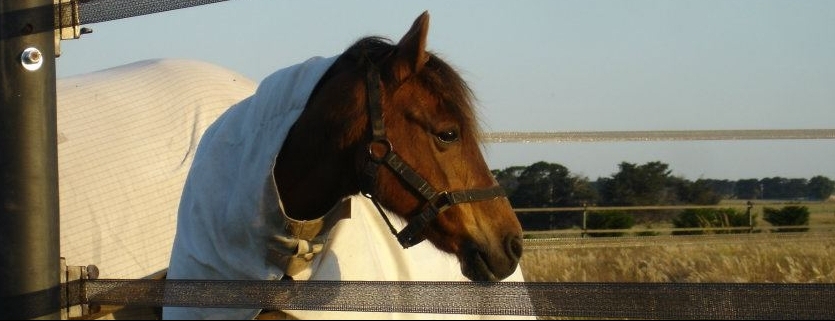
Horse fence tape is one of the safest and most widely used fencing materials for horse properties. Unlike thin electric wire, fence tape provides a broad visual barrier that horses can easily recognise.
This visibility is particularly important when horses are running, playing or interacting with one another. A clearly visible fence encourages horses to identify the boundary well before reaching it.
Horse fence tape also creates a clean, professional appearance across the property and is commonly used by equestrian centres, breeding farms and agistment facilities.
Rotational Grazing
Modern horse property design often incorporates rotational grazing to improve pasture utilisation and reduce overgrazing. By dividing larger paddocks into smaller grazing cells, horse owners can rest pasture while maintaining healthy grazing conditions.
Electric fencing makes rotational grazing practical because paddock layouts can be adjusted as seasonal conditions change.
This flexibility is one of the major advantages of horse property fencing systems that incorporate electric horse fencing.
Horse Property Fencing for Different Property Types
Lifestyle Acreages
Smaller horse properties benefit from flexible fencing layouts that maximise available space while allowing horses to be separated when necessary.
Agistment Centres
Agistment properties require adaptable fencing systems capable of handling changing horse numbers, different temperaments and multiple paddock configurations.
Breeding Farms
Breeding properties require dedicated paddocks for mares, foals and stallions together with carefully planned laneways and handling facilities.
Equestrian Facilities
Riding schools and equestrian centres require consistent fencing that provides a professional appearance while supporting horse movement between arenas, yards and paddocks.
Common Horse Property Fencing Mistakes
- Installing paddocks without an overall property plan.
- Insufficient access for machinery.
- Poor gate positioning.
- No allowance for future expansion.
- Choosing fencing designed for cattle instead of horses.
- Using fencing with poor visibility.
- Ignoring pasture management.
- Installing undersized energisers.
- Poor grounding of electric fencing systems.
- Failing to maintain vegetation around electric fences.
Future-Proofing Your Horse Property
Many horse properties grow over time. Additional horses, new paddocks, larger arenas or improved facilities often require fencing to be extended.
Planning expansion during the initial design stage saves significant time and money in the future. Installing laneways in the correct location, allowing room for additional paddocks and selecting compatible fencing components makes future upgrades much easier.
A scalable horse property fencing system also helps maintain a consistent appearance across the entire property.
Why Choose StockGuard?
StockGuard supplies horse property fencing products designed specifically for Australian horse owners. From horse fence tape and electric fencing components through to complete horse fencing systems, our products help create safer, more visible and easier-to-manage horse properties.
Whether you are developing a new horse property or upgrading an existing facility, StockGuard provides practical fencing solutions that support horse safety, efficient property management and long-term durability.
Frequently Asked Questions
What is horse property fencing?
Horse property fencing refers to the complete fencing system across a horse property, including perimeter fencing, paddocks, laneways, arenas and working areas.
What is the safest fencing for a horse property?
Highly visible fencing combined with properly installed electric horse fencing is one of the safest and most effective solutions for many Australian horse properties.
Why should horse properties have laneways?
Laneways allow horses to move safely between paddocks, arenas and yards while reducing the need to open multiple gates and walk through grazing areas.
Can electric fencing be used for whole horse properties?
Yes. Electric horse fencing is commonly used for internal paddocks, laneways and grazing systems, while many owners combine it with permanent boundary fencing.
What is the benefit of horse fence tape?
Horse fence tape is highly visible, helping horses recognise fence boundaries while providing a clean, professional appearance across the property.
Does StockGuard supply complete horse property fencing systems?
Yes. StockGuard supplies horse fence tape, electric fencing products, posts, insulators and accessories suitable for complete horse property fencing systems.